人类第一次开始认真思考"机器会不会有意识",是在1950年。那一年,数学家图灵提出了一个后来被称为"图灵测试"的问题:如果一台机器能骗过人类,让人以为自己在跟另一个人聊天,那它算不算"有智能"?这个问题看似简单,却争论了七十多年,至今没有标准答案。
Humans first began seriously asking whether machines could have consciousness in 1950. That year, mathematician Alan Turing proposed what later became known as the Turing Test: if a machine could fool a human into thinking they were talking to another person, did that count as "intelligence"? The question sounds simple, but it has been debated for over seventy years, with no settled answer to this day.
更难的问题藏在后面:就算一台机器能对答如流,它心里"感觉"到了什么吗?它是真的在"想",还是只是在很快地翻查一本超级大的词典?科学家把这个问题叫做"意识难题"——因为我们连怎么证明"人类自己"有意识,都还说不清楚,更别说去判断一台机器了。
An even harder question hides behind that one: even if a machine can answer fluently, does it actually "feel" anything inside? Is it truly "thinking," or just very quickly flipping through an enormous dictionary? Scientists call this the hard problem of consciousness, because we cannot even fully prove that humans themselves are conscious, let alone judge a machine.
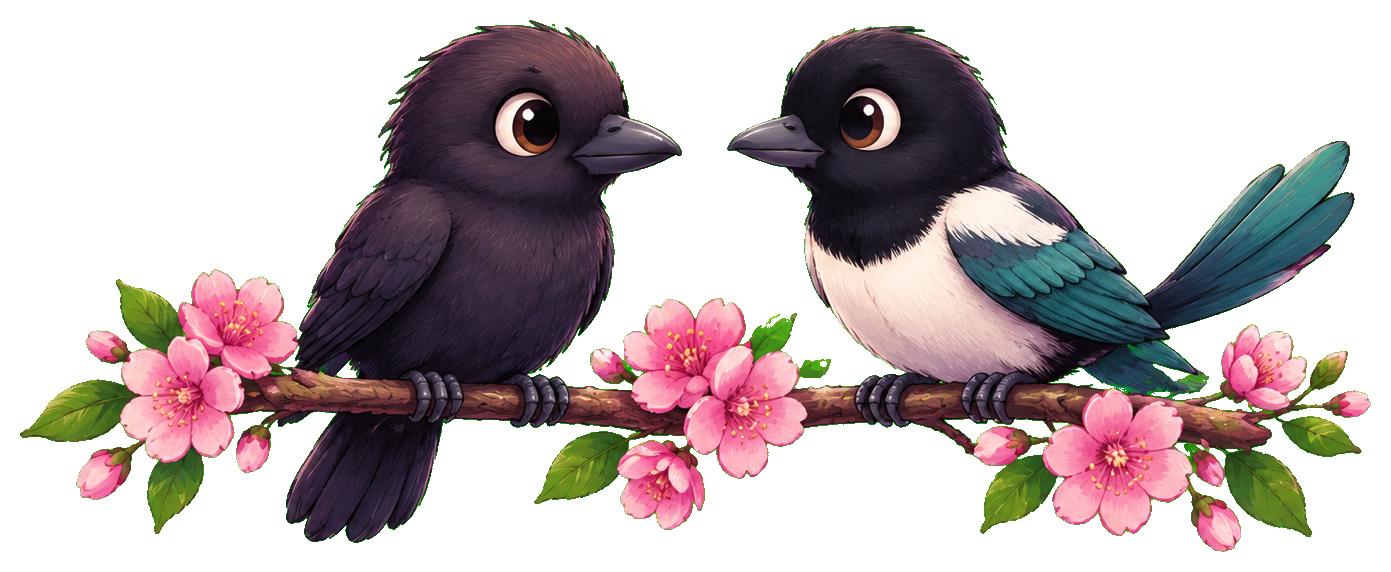
🤖 阿鸦问了小喜一个奇怪的问题——
"我们俩,算不算真的'活着'?"这个问题,其实藏着100期故事里的一个答案。
付费解锁完整故事 · 关于意识的对话 · 趣味词卡
- 🤖 AI与意识本期 · NOW
- 🌅 天照大神与天岩户点击进入
- 🌋 火山与板块运动点击进入
- 🔥 赤壁之战点击进入
- 🏃 夸父追日点击进入
- ⚡ 雷神的两个传说点击进入
- 🦋 梁山伯与祝英台点击进入
- ⚡ 诸神黄昏点击进入
- 🐺 阿努比斯与死亡点击进入
- 🌊 波塞冬与海洋点击进入
- 🐍 美杜莎与珀尔修斯点击进入