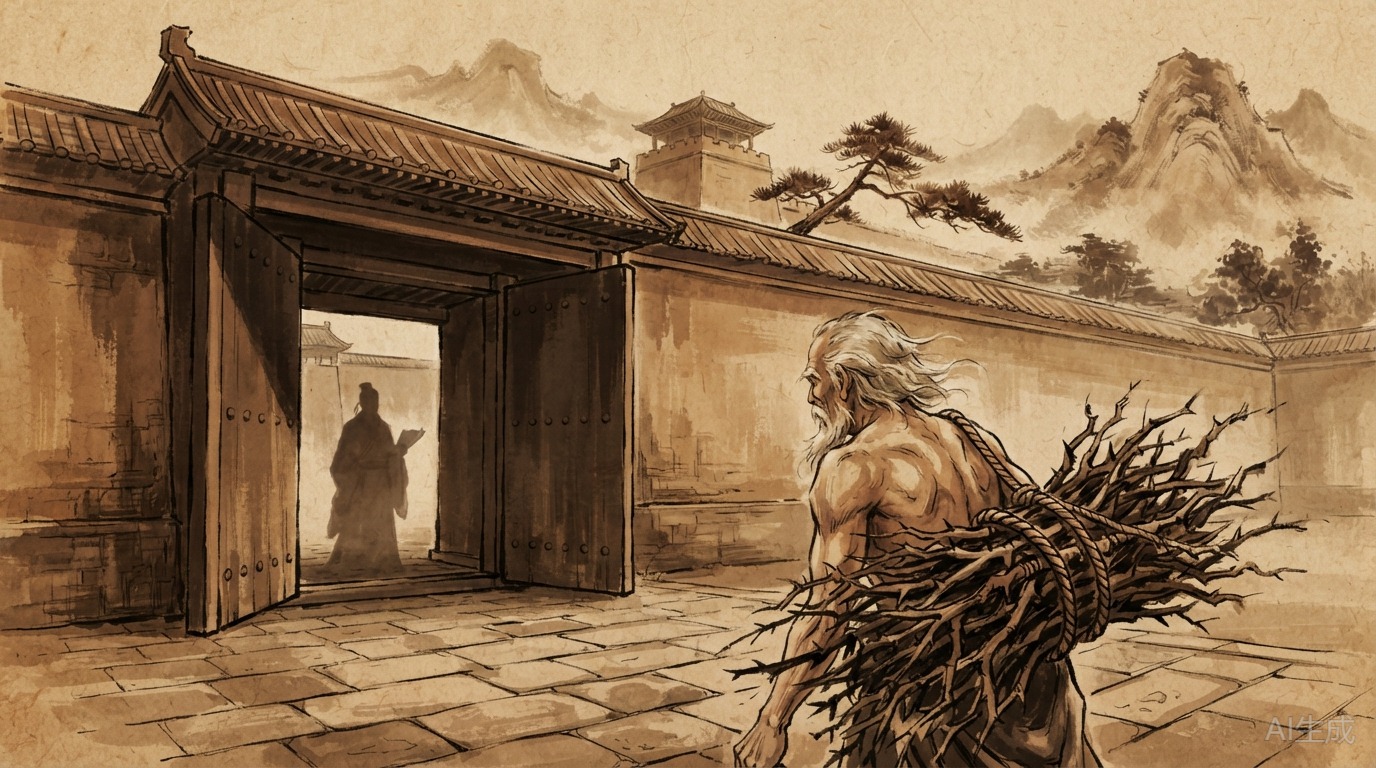
"将相和"出自司马迁《史记·廉颇蔺相如列传》,是战国时期赵国的真实历史。这段故事至今仍是中国小学语文课本里的经典课文,"负荆请罪"这个成语也正是从这里流传下来的,一直被用来形容主动认错、弥补过失。
“The General and the Minister Reconciled” comes from Sima Qian's Records of the Grand Historian, recording real history from the state of Zhao during the Warring States period. This story remains a classic lesson in Chinese elementary textbooks today, and the idiom “carrying thorns to apologize” comes directly from it — still used to describe someone who takes the initiative to admit fault and make amends.
蔺相如凭"完璧归赵"和渑池之会两件大功,被赵王封为上卿,位居大将廉颇之上。廉颇心中不服,扬言要当众羞辱蔺相如,蔺相如却处处退让回避……
Thanks to two great achievements — safely returning the jade to Zhao, and the meeting at Mianchi — Lin Xiangru was ranked above the great general Lian Po by the king. Lian Po resented this and vowed to humiliate him publicly, yet Lin Xiangru kept yielding and avoiding him at every turn...
🤝 第一百二十四个故事,一场负荆请罪的和解
付费解锁完整故事 · 完整情景对话 · 趣味词卡
- 🤝 将相和本期 · NOW
- 🕷️ 安纳西买故事点击进入
- 🐇 因幡的白兔点击进入
- 🪶 伊卡洛斯与代达罗斯点击进入
- ☀️ 因蒂与黄金权杖点击进入