🏡
小喜故事森林
小喜带你读世界 · Xiaoxi's Story Forest
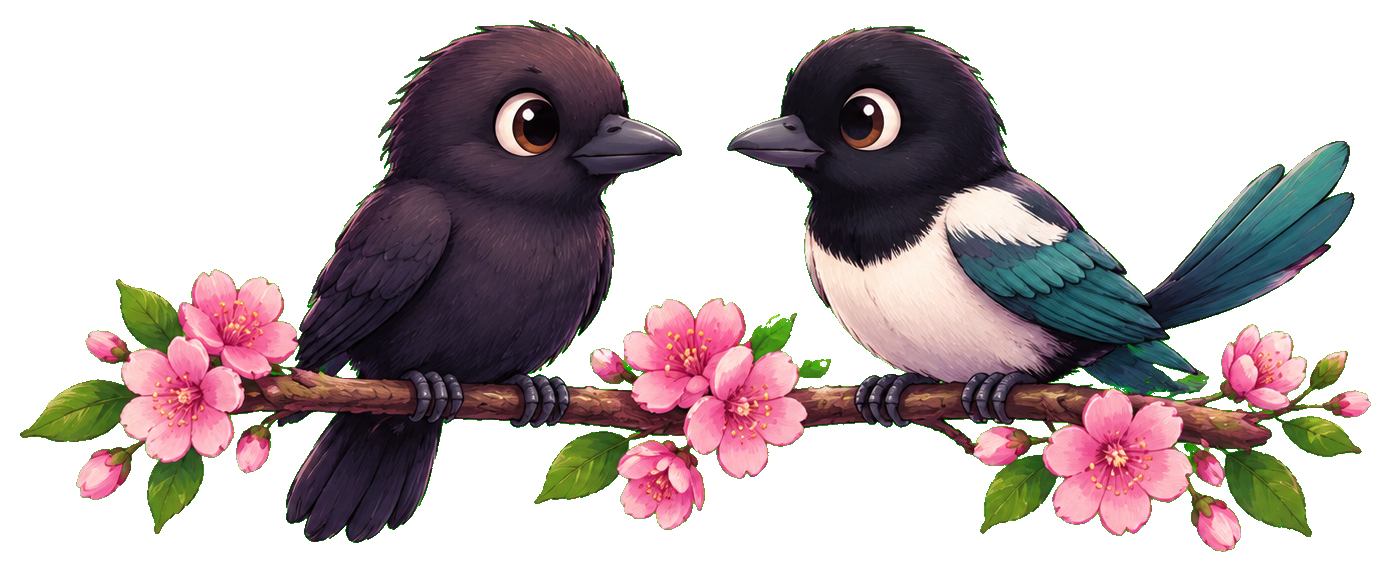
精卫填海出自《山海经·北山经》:发鸠山上有一种鸟,「其状如乌,文首,白喙,赤足,名曰精卫」,它是炎帝的小女儿女娃所化,常常衔着西山的木石去填东海。发鸠山至今仍在,就在山西省长治市长子县境内。
The story comes from the Classic of Mountains and Seas, in the chapter on the northern mountains. On Mount Fajiu lives a bird shaped like a crow, with a patterned head, a white beak and red feet, named Jingwei. It is the transformed youngest daughter of the Flame Emperor, and it carries twigs and stones from the western hills to fill the Eastern Sea. Mount Fajiu still exists today, in Zhangzi County, Changzhi, Shanxi Province.
东晋诗人陶渊明读《山海经》时,被精卫深深打动,在组诗《读山海经》里写下了「精卫衔微木,将以填沧海」。从此,「精卫填海」成了形容意志坚定、不畏艰难的成语,和同样出自《山海经》的夸父追日一起,代表着中国神话里永不放弃的精神。
When the Eastern Jin poet Tao Yuanming read the Classic of Mountains and Seas, he was so moved by Jingwei that he wrote, in his series of poems On Reading the Classic of Mountains and Seas: Jingwei carries tiny twigs, meaning to fill the vast sea. Since then, Jingwei fills the sea has become an idiom for unshakeable determination, and together with Kuafu chasing the sun, from the same classic, it stands for the never give up spirit of Chinese mythology.
🐦 一只小鸟,发誓要把大海填平——
东海对她说,你干一千年也填不平我,她会怎么回答?
付费解锁完整故事 · 精卫的回答 · 趣味词卡
🔒 后续内容已锁定
一次付费解锁完整故事 · 情景对话 · 趣味词卡 · 1年时效
支付以下动态金额(基准¥3,浮动±0.5)